The various types of personal loans and their uses can be a tempting offer for everyone. You can get a lot of cash for whatever you are going to fund. But, which one should you pick between the secured and the unsecured loans? The two options are the most basic personal credits you can find everywhere.
The two are the complete opposite, which underlines the need for collateral or not. However, in the bigger picture, both secured and unsecured will be the key factors of various criteria or situations. What are they? Knowing the difference between secured and unsecured will help you find the proper funding. Here are the details for you.
Definition Of Unsecured Loans
Starting with the unsecured loans. As the name says, it is a loan that is not backed by anything such as collateral. Most of the time, it is also called a signature loan because the approval is based on the promise to repay the money. Without any collateral such as a car, house, or any asset, the loan focuses on using the credit score.
What is a credit score? A credit score is the only qualification and approval for unsecured loans. This score refers to the three-digit number that rates your credit situation or creditworthiness. The number can range from 300 to 850, with a higher score means better approval for loans or better rates.
Where does it come from? Credit score will portray your credit qualities, which means it is based on various credit histories. The history includes total debt levels, number of accounts, repayment history, and many other factors. This credit score later becomes one of the evaluations for the lender to dictate whether you are worth the loan.
One of the best reasons to get this type of loan is the flexibility and easy-to-access factor. Many use the unsecured loans because they don’t risk losing any assets. It also works for various reasons or uses, including emergency funding, home improvement, debt consolidations, and other expenses.
How Does Unsecured Loans Work?
The way this loan works depends on the forms. But the basic term is pretty simple. The bank or the lender won’t take any collateral, thus the credit score will be the only qualification. Most lenders will give quick approval for borrowers with good or excellent credit (690 credit or higher).
The lender later will review the credit score and history to determine the debt-to-income ratio. For an additional qualification, some lenders may review your college education and employment as well. If you make a good request that fits your credit score and Debt to Income, you will likely get approved for the unsecured personal loans.
How about the rates? In many cases, unsecured loans have fixed rates ranging from 6-36%. However, lenders may provide different rates depending on the credit score. Borrowers with high credit scores are bound to have lower rates. However, people with low credit scores will get a higher rate. That is also the reason why unsecured loans are known to have higher rates than secured ones.
How about the amount? Again, the amount that qualifies mostly depends on the lender’s repayment terms, your creditworthiness, existing debt, and income. You can do some pre-qualifying to find the best offer from various lenders. Consider the rate, interest, and repayment durations (short- or long-term loans).
Nowadays, there are many lenders that can provide the money based on your needs. You can find several online lenders with low rates and amounts. They also offer fast funding and a fully online process. You can also check banks but not all of them offer unsecured loans. If they do, banks offer lower rates and additional perks for high credit score customers.
Examples Of Unsecured Loans
There are a bunch of potential uses and examples of unsecured personal loans. If you are taking it for an emergency fund, then do so. However, the most common use of this loan is as a debt consolidation, which means to help ease the debt payment. It also works for an overall financial picture, home improvement, or other emergency needs.
Some may use the personal credit for individual uses and expenses, such as vacation, moving, wedding, or other quick funding. Based on the forms, personal credits come in various types. The most common one is student loans to fund your education fees and other needs. It is a long-term loan without collateral.
A credit card loan or use is also considered an unsecured loan. Medical loans to cover initial fees are also included in this type. For a newer model, you can find the Buy Now, Pay Later loans. It is unsecured but also not really recommended as it may have a higher interest rate and higher risk.
Advantages Of Unsecured Loans
So, why should you take this unsecured credit? Most of the time people consider its first advantage of not needing collateral or any valuable asset to guarantee the repayment. As long as you get a good credit score, you can take it easily. It also means you don’t risk the loss of any property. The loan is also available for any smaller purchases in a quick process.
Disadvantages Of Unsecured Loans
Unfortunately, unsecured loans may not be the best of all. You should consider that not using collateral means the lenders need more coverage of your request. Thus, some credits may come with higher interest rates. The amount is also lower compared to the secured ones. The worst is you need a good credit score and the approval can be hard to get.
Definition Of Secured Loans
The complete opposite of the unsecured loans, the secured ones have collateral as qualification. In this case, you need to use an asset that is considered to be equal to or exceeds the amount of funds you are asking for. This collateral is a must. It can be anything from a car, house, investment account, savings, or anything.
This type of personal loan will use the collateral to weigh the rate and the amount. But still, there is a chance that the lender will ask about your DTI and income before getting the approval. With the collateral, the lender can give you a lower rate or a higher amount of money. But at the same time, you also have a risk of losing the assets.
How Does Secured Loans Work?
While it is said that collateral helps you get the money, lenders also have several factors to determine your worthiness. Some qualifications include credit score, credit history, debts, income, or employment. Those qualifications are meant as additional data, which later collateral help lower the rate and improve the chance of approval.
With different collateral, the rate can differ for every person. The collateral itself can lower the annual percentage rates than the unsecured loans. So, there is no fixed rate. Lenders may also use various other factors to review your qualification and rate for the loan. How does it work? Most of the time it uses the collateral’s value.
Take an example of using a vehicle as collateral. Thus, the lender will use the car’s value as a factor in deciding how much the rate. Not only with the rate, your collateral may also give you a chance for a larger loan. Take the example of people who register their car as collateral will get different offers compared to those offering their big house.
Just because it uses collateral, it does not mean the secured loan won’t affect your credit score. The risk and penalty of this loan are doubled, as you may lose your assets and hit your credit score. To make it worse, the penalty is rather quick. So be aware of your repayment terms and make sure you get them on time.
The good point is that secured loans are the most common to find. You can get it from a bank, online lender, or credit union. The process is pretty quick, the quickest one is around a week. However, it can take longer if the bank is asking for an appraisal or evaluating the assets before approving the loan request.
Examples of Secured Loans
Are secured options good options for personal loans? Yes! There are also various types of these loans, which you can pick based on your capabilities or assets. It is also quite popular considering the larger loan amount it offers. At the same time, people with low or poor credit history still get the chance to get approved.
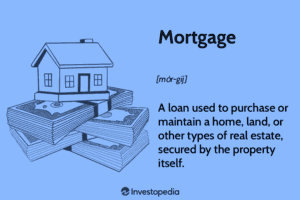
But again, the loan offers are likely limited to the collateral options. Some of the common loans are the Mortgages, which you use as collateral. Auto Loans are mostly picked for people with vehicles. Secured credit cards are another option following the home equity loan or home equity lines of credit.

Advantages Secured Loans
If you think further about the potential options, the pros of secured loans come from their qualifications. First, you don’t need to care about your credit score. Every person even though they have a low credit score can get the approval with proper collateral. Compared to an unsecured loan, it is easier to get as long as your collateral equal to your loan.
There are a lot of options out there. The collateral makes lenders feel safe with the loan, so you can get it from a government bank, online bank, or credit union. This also means you can get different rates from one place to another. The rate can differ depending on your collateral or the lender’s consideration factors, which are your credit score and history.
If you are looking for a larger loan, this is your best option. You can get a good deal only with good collateral. Take an example of using your house or car. With equal value, you may get longer repayment terms, lower interest rates, a larger amount of money, and some backing. But again, it also has several risks to be aware of.
Disadvantages Secured Loans
In the case of disadvantages, the most problematic points come from the collateral and assets. Giving your assets as collateral means you are risking losing them in the future (if you fail to pay). In other words, lenders can seize your collateral including your car, property, or even your bank account.
While many say that it is easier to get, secured loans come with additional restrictions. Sometimes, banks or lenders will take a look at your debt history. Some may include minimum balance in bank accounts as a qualification or minimum assets value. The last is the process may take longer since some lenders may want to verify or appraise your asset before sealing the deal.
The underline (Which one to get?)
Considering the difference in using collateral and credit score, it is best to pick one that fits your situation and financial needs. In many cases, it is always best to consider pre-qualifying to find the best rates a lender can offer you. Worry not, doing pre-qualifying won’t affect your credit. It is similar to doing market research to find the best deal.
The key point is that each has a different approval qualification. Unsecured loans are easier, as long as you have a good credit score. But if you have an emergency and a bad score, check the secured one since it uses collateral. The collaterals can range from jewelry, share, car, or anything. So, which one do you have?
If an unsecured loan is your pick, get to know anything from the qualifications, and rates, to interest. But if a secured loan is your go-to option, think carefully about the risk before getting the fund. There is a chance of losing the collateral once you fail the payment. If you can pay on time, collateral is the best decision.
What is your best option for personal loans? Should you take the secured or the unsecured one? One thing is for sure, both loans have different systems that highlight the use of collateral and credit score. If your credit score is good, take the unsecured one. But if you can’t, try the secured with collateral. Each is possible as long as you are a responsible borrower.